

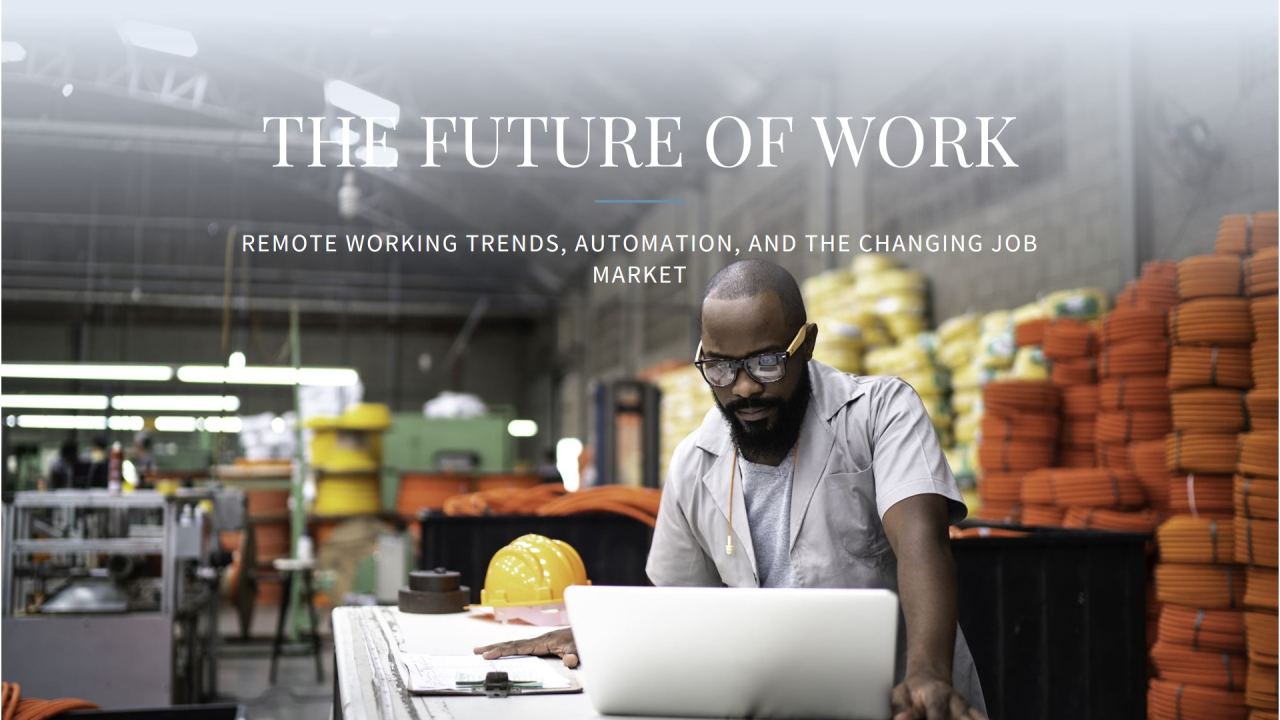
The future of work is changing faster than ever as remote jobs continue to grow across global markets. Companies are shifting away from traditional office setups and adopting flexible work models that allow employees to work from anywhere. This transformation is driven by digital tools, global connectivity, and changing employee expectations. As a result, remote work is no longer just a trend—it has become a core part of modern employment structures worldwide.
Rise of Remote Work in the Global Economy
Growth of Digital Work Platforms
The rapid expansion of digital work platforms has made remote jobs more accessible across different industries. Businesses now rely on online collaboration tools, freelance marketplaces, and cloud-based systems to manage daily operations. These platforms allow employers to hire talent globally, reducing dependency on physical office spaces. As a result, remote work opportunities have increased significantly, especially in sectors like IT, marketing, design, and customer support.
Global Talent Accessibility
Remote work has opened the door to a global talent pool, enabling companies to hire skilled professionals regardless of location. This shift has created more job opportunities for individuals in developing regions while giving companies access to highly diverse skill sets. The future of work now emphasizes ability over geography, making hiring more flexible and inclusive than ever before.
Cost Efficiency for Businesses
One of the biggest reasons companies are embracing remote work is cost efficiency. Businesses save money on office rent, utilities, and infrastructure while investing more in digital tools and employee productivity. This financial advantage has encouraged even traditional organizations to explore hybrid and fully remote models, contributing to the record growth of remote jobs worldwide.
Technology Driving Remote Job Expansion
Cloud Computing and Collaboration Tools
Cloud computing has become the backbone of remote work, enabling teams to collaborate in real time from different locations. Tools like project management platforms, video conferencing software, and shared cloud storage systems help maintain workflow efficiency. These technologies ensure that remote employees can work seamlessly without being physically present in an office.
Artificial Intelligence in Workforce Management
Artificial intelligence is playing a major role in optimizing remote work environments. AI-powered tools assist in task automation, performance tracking, and communication support. This helps businesses manage remote teams more effectively while improving productivity and reducing manual workload. AI integration is shaping the future of remote job systems across industries.
Cybersecurity and Data Protection
As remote work grows, cybersecurity has become a critical concern for businesses. Companies are investing in advanced security systems to protect sensitive data and maintain secure communication channels. Strong authentication methods, encrypted networks, and secure cloud systems are now essential for maintaining trust in remote work environments.
Changing Work Culture and Employee Expectations
Shift Toward Work-Life Balance
Remote work has significantly improved work-life balance for many employees. Workers now have more control over their schedules, reducing stress and increasing job satisfaction. This shift has made remote jobs more attractive, especially for professionals seeking flexibility and better mental well-being in their careers.
Demand for Flexible Work Models
Employees today prefer flexibility over rigid office routines. Hybrid and remote work models allow individuals to choose where and how they work. This demand has forced companies to redesign workplace policies and adopt more employee-friendly approaches. Flexibility has become a key factor in attracting and retaining talent in the modern workforce.
Rise of Independent Professionals
The growth of remote jobs has also contributed to the rise of freelancers and independent professionals. Many workers are now choosing self-employment over traditional jobs, offering services to global clients. This shift is reshaping the employment landscape and creating a more dynamic, skill-based economy.
Future Outlook of Remote Jobs and Work Trends
Expansion of Hybrid Work Systems
Hybrid work models are expected to dominate the future of employment. Companies are combining remote and in-office work to balance productivity and flexibility. This system allows organizations to maintain collaboration while giving employees freedom in their work environment, making it a sustainable long-term model.
Increased Global Competition
As remote work expands, competition in the global job market is increasing. Professionals are now competing with talent from around the world. This has encouraged individuals to upgrade their skills continuously to stay relevant. The future workforce will be more skill-driven and performance-focused.
Continuous Digital Transformation
Digital transformation will continue to shape the future of work. Emerging technologies such as automation, AI, and virtual collaboration tools will further enhance remote job efficiency. Businesses that adapt quickly to these changes will have a competitive advantage in the evolving global economy.
FAQs
1. What is driving the growth of remote jobs globally?
Remote job growth is driven by digital technology, flexible work preferences, and cost-saving benefits for companies.
2. Are remote jobs here to stay?
Yes, remote and hybrid work models are becoming a permanent part of the modern workplace.
3. Which industries offer the most remote job opportunities?
Industries like IT, marketing, customer service, and design offer the most remote roles.
4. What skills are important for remote work?
Communication, digital literacy, time management, and technical skills are essential for remote jobs.
5. How does remote work benefit employees?
It offers flexibility, better work-life balance, reduced commuting time, and improved productivity.
Conclusion
The future of work is undergoing a major transformation as remote jobs continue to expand across global markets. With advancements in technology, changing employee expectations, and evolving business models, remote work has become a central part of modern employment. Organizations that embrace this shift are gaining access to global talent, reducing costs, and improving efficiency. As this trend continues, remote work will remain a powerful force shaping the global workforce for years to come.