

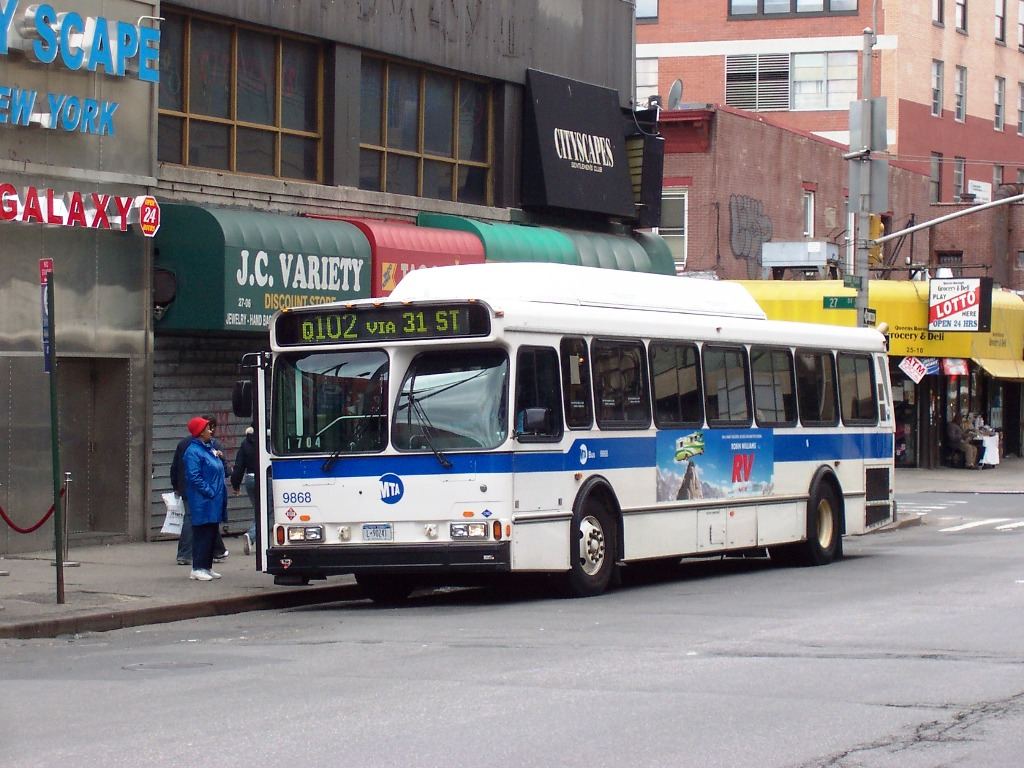
City transport authorities are adding evening bus trips on busy routes as ridership continues to recover and travel patterns shift later into the day. Officials say demand is no longer concentrated only in the traditional morning and evening rush hours, with health workers, hospitality staff, students, and shoppers travelling well into the evening. Extra services aim to cut long waits that discourage people from choosing the bus at all. Route planners are using passenger counts and tap in data to target the corridors where additional trips will help most, rather than spreading limited resources thinly across the whole network. City leaders say dependable buses are essential for meeting climate goals, because every full bus represents dozens of car journeys that do not need to happen on congested streets.
What the Evidence Shows
Drivers and unions note that expanded timetables require careful rostering to avoid fatigue and maintain safety standards. Passengers interviewed at busy stops generally welcomed shorter waits, while asking for clearer real time information when services are delayed or cancelled. Transport groups argue that reliable evening buses support local economies, allowing people without cars to reach jobs, classes, and entertainment safely. Funding remains the central challenge, with authorities balancing fare income against public budgets. Several cities plan to review the changes after winter, comparing ridership and punctuality before deciding whether the extra trips become permanent. Some authorities are pairing the extra trips with simpler fares and better lighting at stops, recognising that frequency alone does not make a service feel safe, convenient, or worth choosing nightly. Reporting and analysis from sources such as Associated Press track the same developments, and specialists following expanded evening city bus services say the direction is now consistent across independent lines of evidence.
The Wider Context
Regional and local reporting on expanded evening city bus services often tells a different story from national coverage, because the effects land unevenly: one town’s pilot is another’s distant proposal. Analysts who follow the subject full-time read the local data first, arguing that national averages conceal the variation that decides whether a policy or a project deserves to spread.
What Happens Next
The longer story of expanded evening city bus services is still being written by the people closest to it, whose experience rarely matches the earliest predictions of either supporters or critics. Reporting will continue to follow the evidence as it accumulates, including where it complicates today’s account. That is the deal serious coverage makes with its readers, and it holds for this subject as for any other. You can follow related developments in our coverage of news.
It is also worth remembering how quickly the picture in this area has changed before. Positions that looked settled a few years ago have been revised as new data arrived, and the same humility is appropriate now. The strongest coverage of this subject, and the most useful advice, tends to come from sources that update their views openly when the facts move, rather than defending an earlier position long after it has stopped fitting the evidence available.
