

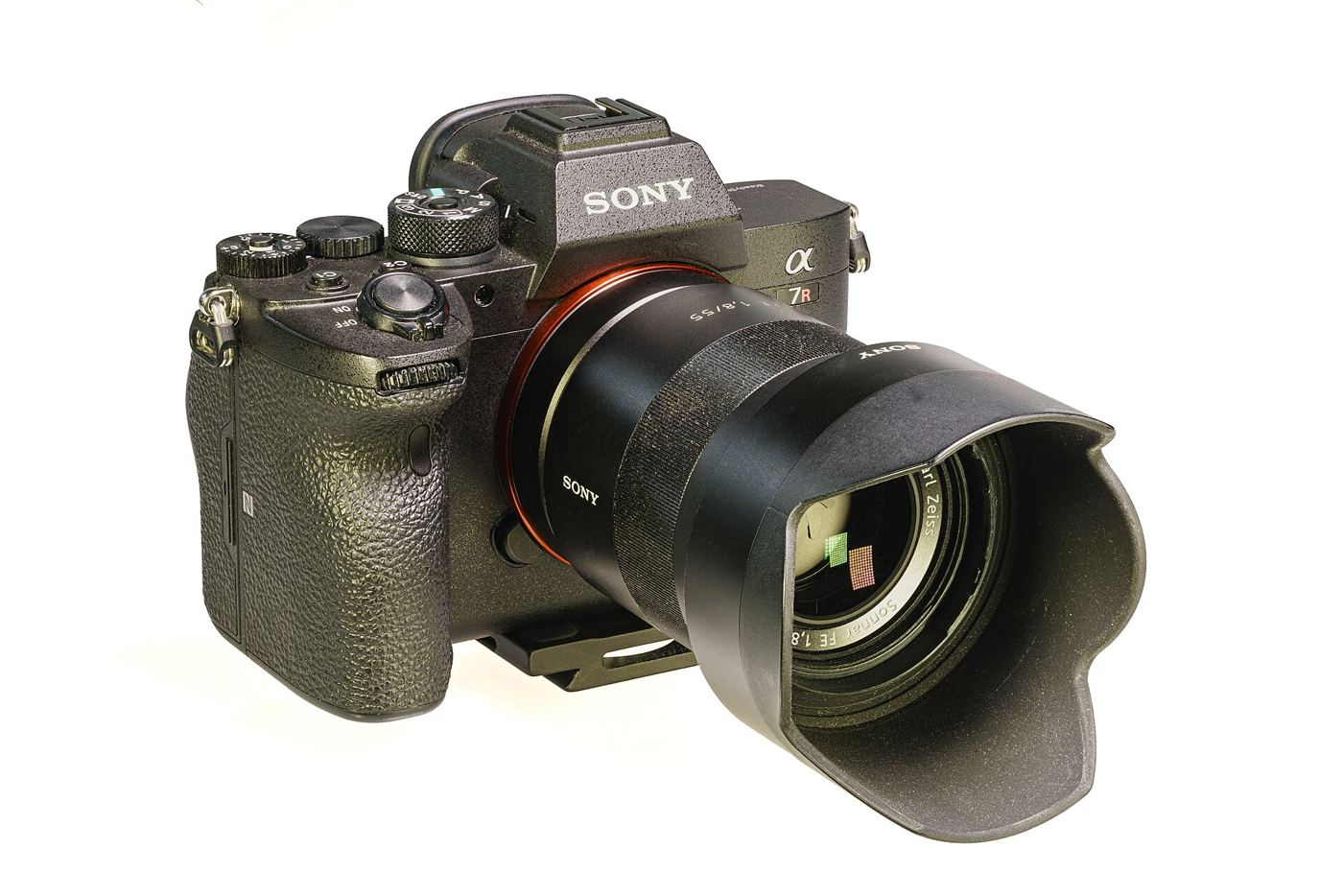
Professional cameras used to be bulky boxes with a mirror inside that flipped up every time a photograph was taken, bouncing light from the lens up to the viewfinder. Mirrorless cameras remove that mirror entirely, letting light fall directly onto the sensor and showing the image on a small electronic viewfinder or the rear screen instead. The result is a camera that is smaller and lighter, quieter to use and capable of focusing with remarkable speed, since the sensor itself can track a subject’s eye across the frame. Early mirrorless cameras were dismissed by professionals, but the latest models match or beat traditional cameras for image quality, autofocus and video, and most major manufacturers have now shifted their best lenses and bodies to the new system. For photographers, the change has meant a lighter bag without giving up quality. Autofocus has become so fast that the camera can lock onto a bird in flight or a child running across a garden.
What the Evidence Shows
The move to mirrorless has also changed how cameras are used. Electronic viewfinders show the exposure before the photograph is taken, so beginners can see the effect of their settings in real time instead of guessing. Video has become a first-class feature, with many mirrorless bodies recording cinema-quality footage that once needed a separate camera. The smaller bodies have opened up new designs too, from compact cameras that slip into a jacket pocket to rugged models built for wildlife photographers who hike for hours. There are trade-offs: battery life is often shorter than on older cameras, and the newest lenses can be expensive. Even so, the shift is now clear, and the mirror that defined cameras for a century has quietly become a relic of the past. Repair shops report that fewer moving parts also means fewer mechanical failures over the life of the camera. Reporting and analysis from sources such as IEEE Spectrum track the same developments, and specialists following the mirrorless cameras shrinking the professional kit say the direction is now consistent across independent lines of evidence.
The Wider Context
Adoption of the mirrorless cameras shrinking the professional kit follows a familiar pattern with an unfamiliar speed. Early users tolerate rough edges in exchange for advantage, mainstream users arrive when the tool disappears into existing workflows, and the market consolidates around whoever made that transition feel effortless. Vendors are racing less on raw performance now than on integration, support and trust.
What Happens Next
The realistic forecast for the mirrorless cameras shrinking the professional kit is steady integration rather than sudden replacement: embedded in products people already use, improving in increments, and regulated in proportion to its reach. The companies and institutions that plan on that basis, training staff and redesigning processes instead of chasing launches, are the ones the adoption data tends to vindicate. You can follow related developments in our coverage of technology.
It is also worth remembering how quickly the picture in this area has changed before. Positions that looked settled a few years ago have been revised as new data arrived, and the same humility is appropriate now. The strongest coverage of this subject, and the most useful advice, tends to come from sources that update their views openly when the facts move, rather than defending an earlier position long after it has stopped fitting the evidence available.
