

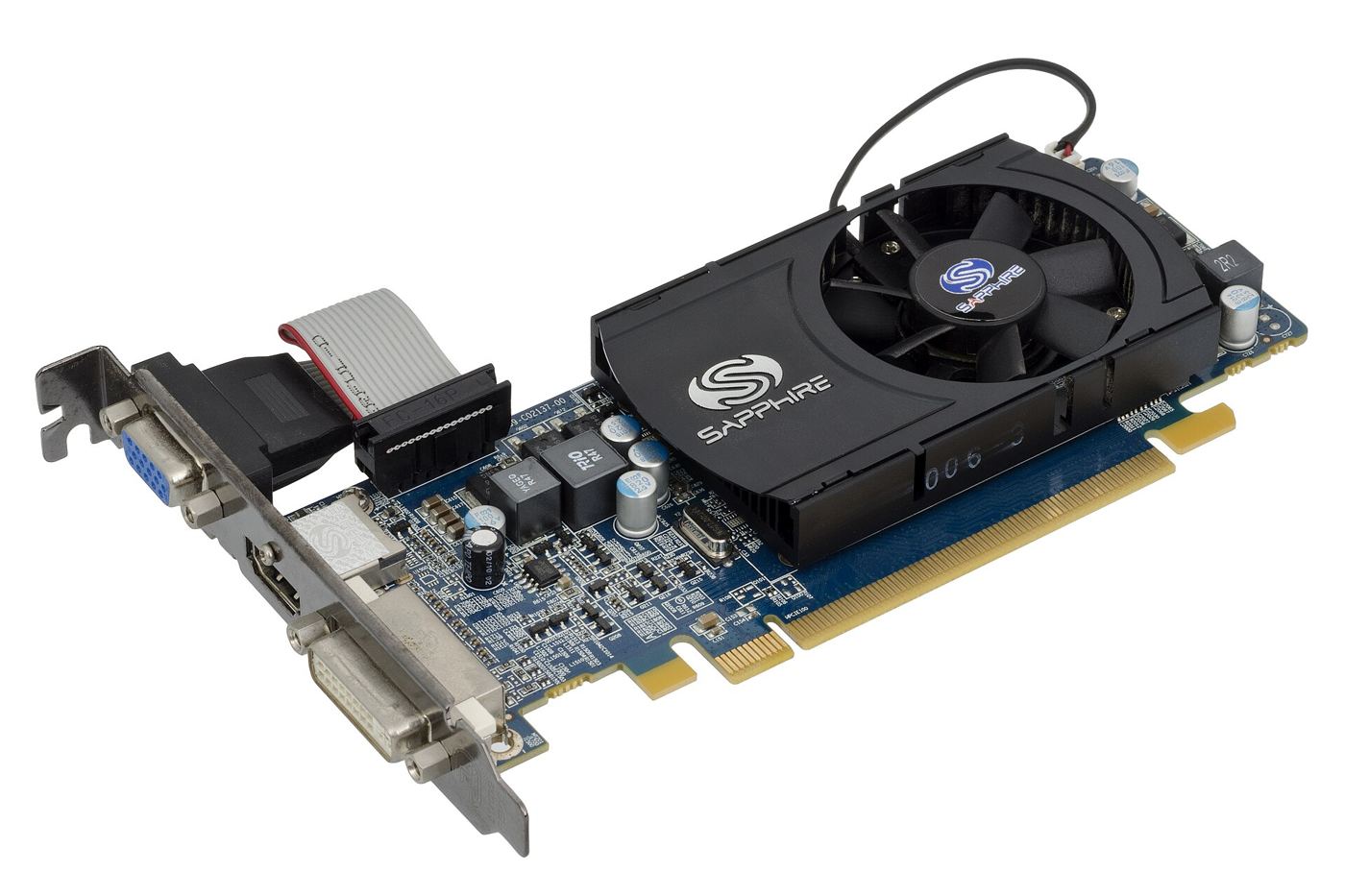
Nvidia has announced Rubin HPC, a new graphics processor built for scientific computing, at the SC26 supercomputing conference on 16 November 2026. The chip is aimed at the simulations that researchers use to test ideas in science and engineering, from climate models to drug discovery. Nvidia is positioning Rubin HPC for workloads where AI agents run many simulations to explore possibilities, a style of computing that needs both raw speed and large amounts of memory. The announcement came alongside an expansion of the company’s Vera central processor platform, with a rack-scale system of 192 Vera processors and fast networking supplied by four server makers. Together, the announcements show Nvidia pushing beyond AI training into the heart of traditional supercomputing. Researchers in several countries are already lining up to test the new hardware on their own hardest problems, from modelling storms to designing new medicines.
What the Evidence Shows
The move matters because the line between AI computing and scientific computing is disappearing, with researchers increasingly using AI models to guide simulations and simulations to train AI models. A processor built for that combined workload could speed up work in weather forecasting, materials science and medical research. Nvidia says Rubin HPC is designed for the heavy numerical work that underpins those fields, while the Vera expansion gives supercomputer builders a complete platform to pair with it. The company faces competition from AMD and Intel in the same market, and from cloud providers building their own chips. The first systems using Rubin HPC are expected to reach research centres as the platform rolls out, and scientists will be watching early benchmarks to see how much faster their simulations actually run. Reporting and analysis from sources such as IEEE Spectrum track the same developments, and specialists following the Rubin HPC graphics processor say the direction is now consistent across independent lines of evidence.
The Wider Context
Adoption of the Rubin HPC graphics processor follows a familiar pattern with an unfamiliar speed. Early users tolerate rough edges in exchange for advantage, mainstream users arrive when the tool disappears into existing workflows, and the market consolidates around whoever made that transition feel effortless. Vendors are racing less on raw performance now than on integration, support and trust.
What Happens Next
The realistic forecast for the Rubin HPC graphics processor is steady integration rather than sudden replacement: embedded in products people already use, improving in increments, and regulated in proportion to its reach. The companies and institutions that plan on that basis, training staff and redesigning processes instead of chasing launches, are the ones the adoption data tends to vindicate. You can follow related developments in our coverage of technology.
It is also worth remembering how quickly the picture in this area has changed before. Positions that looked settled a few years ago have been revised as new data arrived, and the same humility is appropriate now. The strongest coverage of this subject, and the most useful advice, tends to come from sources that update their views openly when the facts move, rather than defending an earlier position long after it has stopped fitting the evidence available.
