

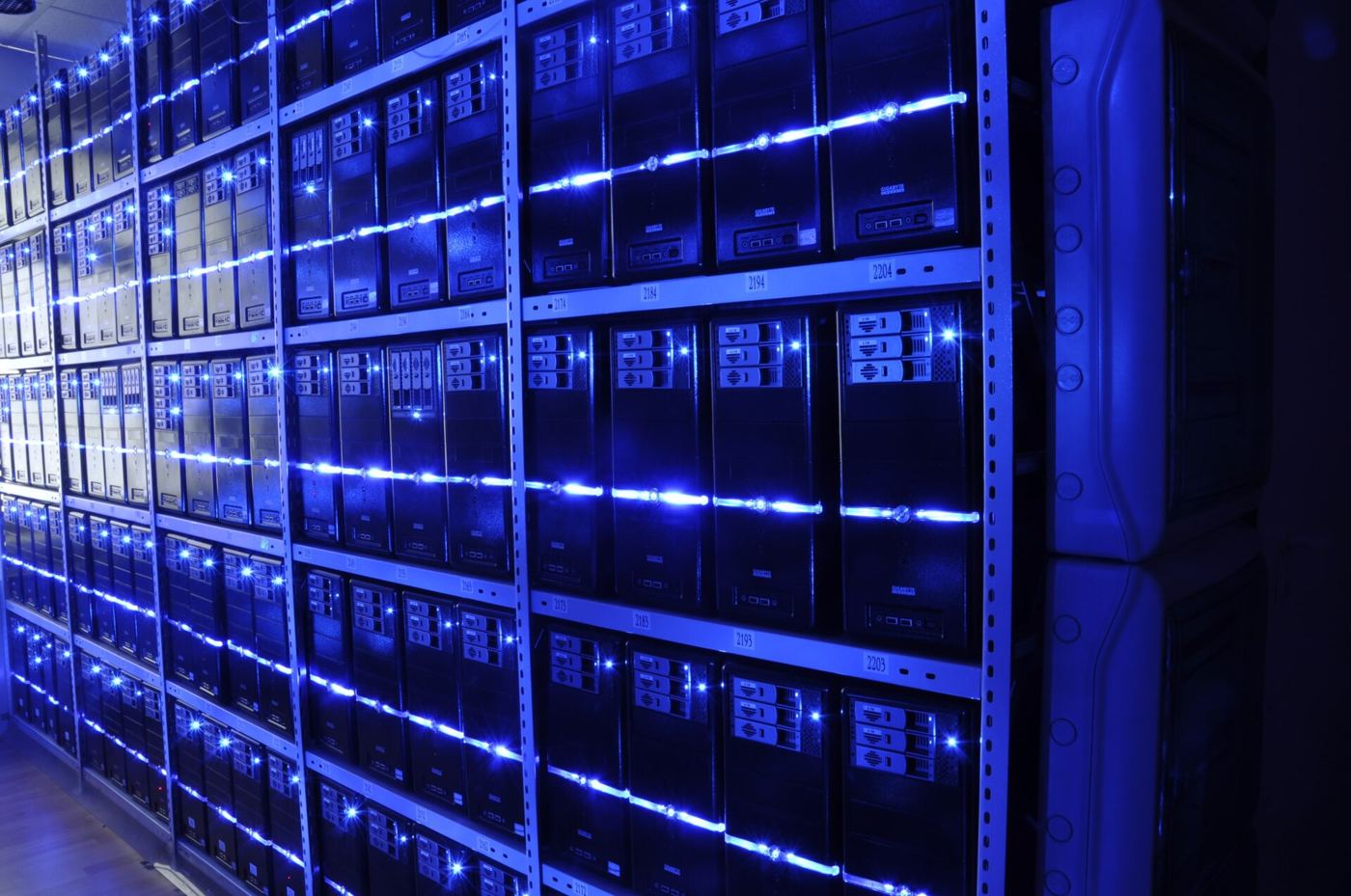
A data centre can look perfectly calm while trouble builds invisibly inside a single rack. Thermal cameras have become a routine tool for spotting that trouble, allowing technicians to scan aisles of servers and electrical equipment for the tell-tale glow of a failing fan, an overloaded power supply or a blocked vent. Regular thermal rounds, increasingly performed by staff on foot and in some facilities by small robots, build a temperature history for each cabinet, so a gradual rise is noticed long before alarms trigger. The images also expose cooling inefficiencies: hot air leaking into cold aisles, blanking panels missing after maintenance, or airflow patterns disturbed by newly installed equipment. Fixing those faults saves energy as well as preventing outages, because cooling systems no longer work harder than necessary to compensate. As computing loads grow denser with artificial intelligence hardware, the margin for cooling error shrinks, and a hot spot that once meant discomfort for one server can now threaten an entire high-value training cluster.
What the Evidence Shows
The technology works best when paired with disciplined follow-up, since a thermal image is only useful if someone owns the fault it reveals. Leading operators log images against asset records, assign repairs and rescan after work is completed, closing the loop with evidence rather than assumption. Software increasingly assists by comparing new scans with baselines and flagging anomalies automatically, sparing technicians from reviewing thousands of near-identical pictures. Electrical switchgear benefits as much as computing equipment, because loose connections and unbalanced loads announce themselves as heat well before they fail. Training has had to keep pace: reading thermograms well requires understanding reflections, emissivity and load conditions, not just pointing a camera. Facilities teams say the cultural change is the real gain. Maintenance shifts from reacting to failures toward patrolling for early signs, in the same way good engineers listen to a machine room. In an industry where a single overheating incident can interrupt services for thousands of customers, that early warning is inexpensive insurance. Reporting and analysis from sources such as IEEE Spectrum track the same developments, and specialists following thermal camera inspections finding data centre hot spots say the direction is now consistent across independent lines of evidence.
The Wider Context
Adoption of thermal camera inspections finding data centre hot spots follows a familiar pattern with an unfamiliar speed. Early users tolerate rough edges in exchange for advantage, mainstream users arrive when the tool disappears into existing workflows, and the market consolidates around whoever made that transition feel effortless. Vendors are racing less on raw performance now than on integration, support and trust.
What Happens Next
The realistic forecast for thermal camera inspections finding data centre hot spots is steady integration rather than sudden replacement: embedded in products people already use, improving in increments, and regulated in proportion to its reach. The companies and institutions that plan on that basis, training staff and redesigning processes instead of chasing launches, are the ones the adoption data tends to vindicate. You can follow related developments in our coverage of technology.
It is also worth remembering how quickly the picture in this area has changed before. Positions that looked settled a few years ago have been revised as new data arrived, and the same humility is appropriate now. The strongest coverage of this subject, and the most useful advice, tends to come from sources that update their views openly when the facts move, rather than defending an earlier position long after it has stopped fitting the evidence available.
