

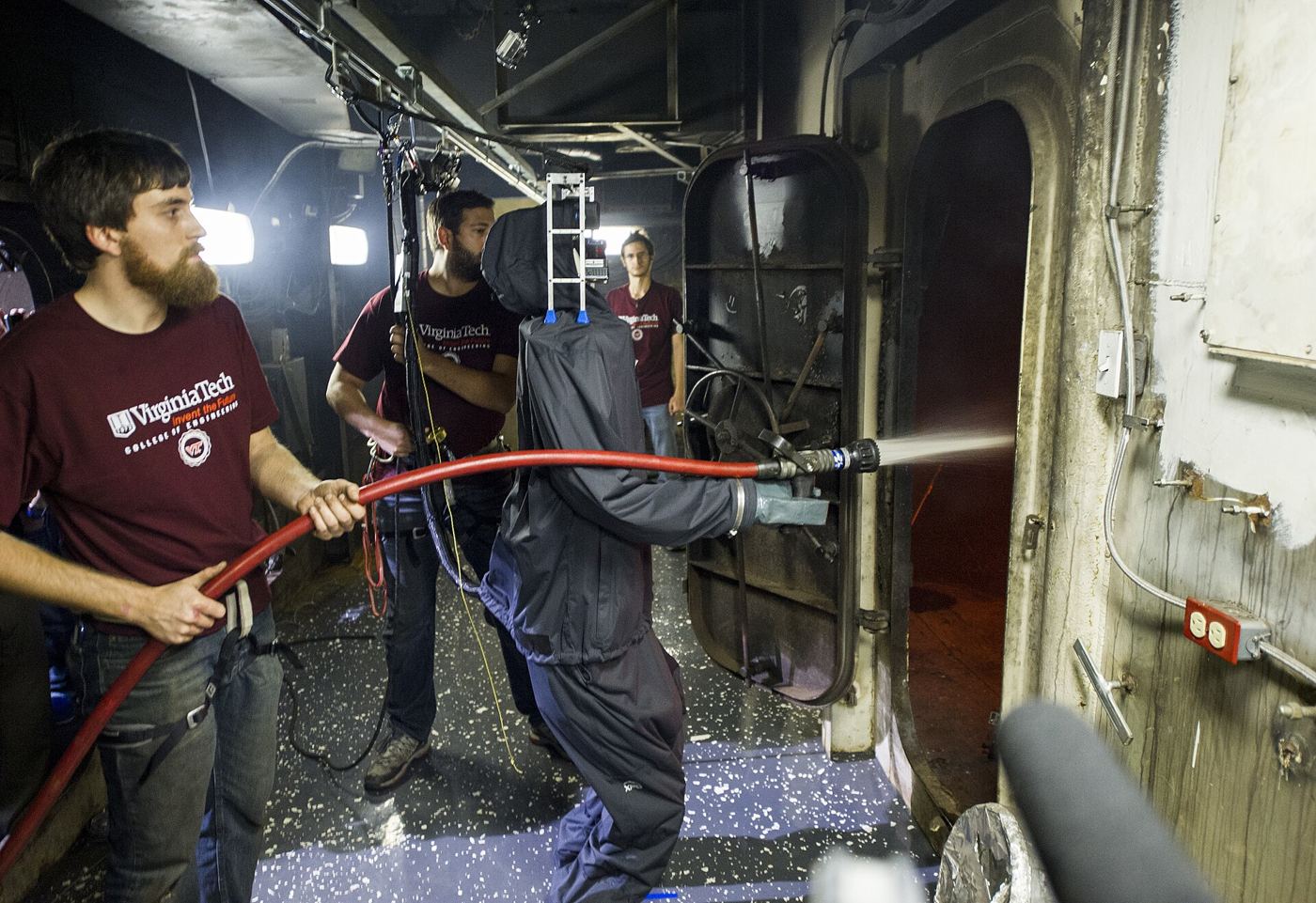
Humanoid robots are spending long hours in laboratories learning to balance, recover from pushes and handle objects without dropping them, in trials designed to expose weaknesses before any real-world deployment. Engineers nudge the machines off balance, slide the floor beneath them and hand them boxes of awkward shapes, recording every joint movement and foot placement. Modern humanoids combine cameras, force sensors and fast control software to adjust posture many times per second, much as people unconsciously shift their weight. Progress is measured in unglamorous details: stepping onto a kerb without hesitation, turning while carrying a tray, or standing safely when a cable snags a foot. The laboratory setting matters because falls are expensive and occasionally dangerous with machines of human size and weight. Safety rigs and padded floors let researchers push the robots to failure, which is exactly where the most useful lessons live. Developers disagree about where humanoids will earn their keep first, with warehouses, factories and care settings all proposed. The trials suggest a consistent answer for now: environments built for people reward machines shaped like people, but only once balance and handling become boringly reliable.
What the Evidence Shows
Behind the humanoid balance trials sits a contest between two engineering philosophies. One camp programmes explicit rules for walking and grasping, giving predictable behaviour that safety assessors can inspect line by line. The other trains control systems in simulation, letting virtual robots fall millions of times before the lessons are transferred to hardware. In practice the strongest teams blend both, using learned reflexes for balance and explicit checks for safety limits. Batteries remain a stubborn constraint, because humanoid proportions leave little room for large packs, and powerful joint motors drain them quickly during dynamic movement. Costs are falling as actuators and sensors borrow scale from the electric vehicle and smartphone industries. Researchers also study how people react around humanoids, since a machine that moves unpredictably will be rejected however clever its engineering. Clear signalling of intent, such as turning the head before stepping sideways, makes shared spaces calmer for everyone. The laboratory videos may look playful, but each recovered stumble represents data that moves these machines closer to useful, trusted work alongside the people they are built to resemble. Reporting and analysis from sources such as IEEE Spectrum track the same developments, and specialists following the humanoid balance trials say the direction is now consistent across independent lines of evidence.
The Wider Context
Adoption of the humanoid balance trials follows a familiar pattern with an unfamiliar speed. Early users tolerate rough edges in exchange for advantage, mainstream users arrive when the tool disappears into existing workflows, and the market consolidates around whoever made that transition feel effortless. Vendors are racing less on raw performance now than on integration, support and trust.
What Happens Next
The realistic forecast for the humanoid balance trials is steady integration rather than sudden replacement: embedded in products people already use, improving in increments, and regulated in proportion to its reach. The companies and institutions that plan on that basis, training staff and redesigning processes instead of chasing launches, are the ones the adoption data tends to vindicate. You can follow related developments in our coverage of technology.
It is also worth remembering how quickly the picture in this area has changed before. Positions that looked settled a few years ago have been revised as new data arrived, and the same humility is appropriate now. The strongest coverage of this subject, and the most useful advice, tends to come from sources that update their views openly when the facts move, rather than defending an earlier position long after it has stopped fitting the evidence available.
